
Buying shipping containers internationally requires more than identifying the lowest advertised unit price. Professional container procurement depends on equipment condition, technical specifications, depot location, delivery requirements, inspection status, certification, supplier credibility and the total cost of placing the container into operation. A competitively priced container may become commercially unattractive when repositioning, handling, repair or transport costs are added.
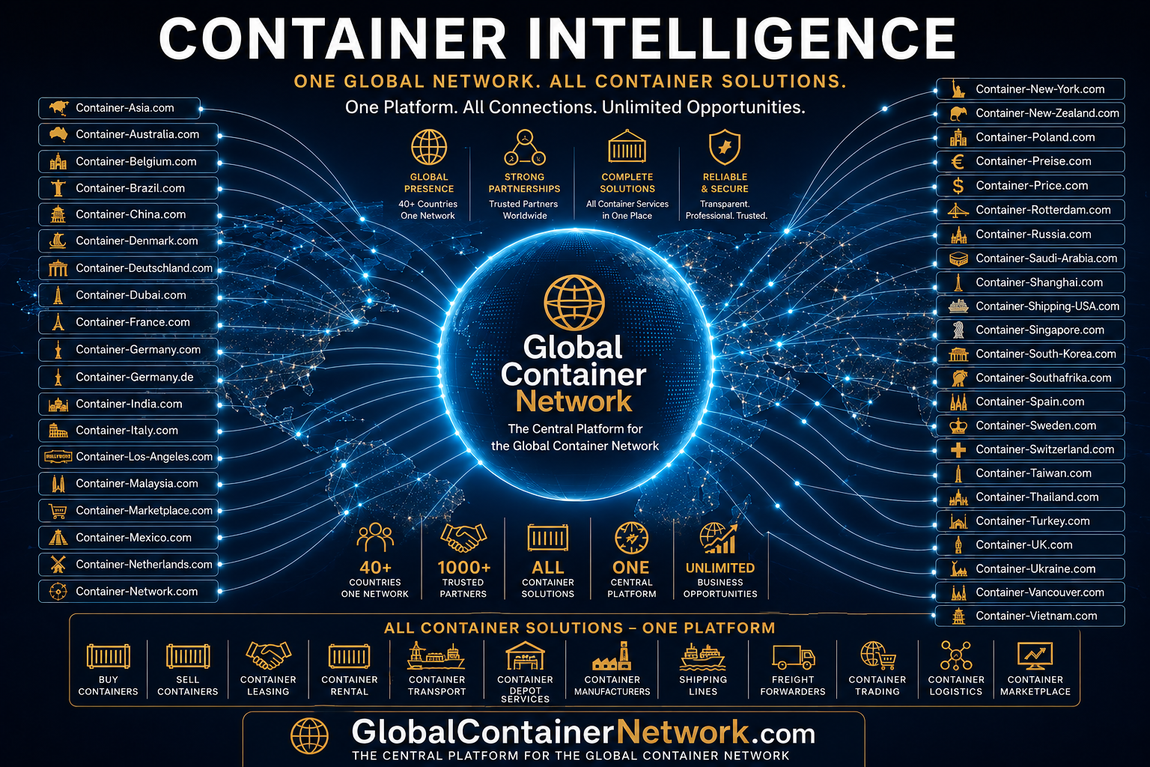
Container Marketplace provides a direct route to available shipping container offers within Global Container Network. Buyers can search for equipment according to the specifications that matter to their operation, including container size, container type, condition, country, city, port and price range. This is particularly valuable for procurement teams comparing regional stock, project requirements and alternative sourcing locations.
Shipping Container Types Available for Professional Buyers
Container requirements differ significantly across cargo transport, industrial storage, project logistics, construction, offshore operations and fleet management. The international marketplace can support searches for standard and specialized equipment, including:
- 20ft Dry Shipping Containers
- 40ft Dry Shipping Containers
- 40ft High Cube Containers
- 45ft High Cube Containers
- Reefer Containers
- Open Top Containers
- Flat Rack Containers
- Tank Containers
- Double Door Containers
- Side Opening Containers
- Offshore Containers
- Modified Containers
New, One-Trip and Used Shipping Containers
Buyers should select container condition according to the intended application. New and one-trip containers are frequently chosen for projects requiring a clean appearance, long remaining service life or predictable equipment quality. Used cargo-worthy containers may provide a more economical option for international transport, fleet expansion and commercial storage. Wind-and-water-tight equipment can be suitable for static storage where active cargo certification is not required, while as-is containers may be relevant to repair specialists, conversion companies and experienced equipment traders.
Before purchasing, professional buyers should verify the container identification, dimensions, manufacturing plate, CSC status, structural condition, doors, seals, flooring, roof, corner castings and previous repair work. Refrigerated containers additionally require inspection of the refrigeration machinery, power requirements, temperature-control system and maintenance history.
Container Procurement by Country, City and Port
Location is one of the most important variables in container purchasing. Shipping containers are physical assets, and their commercial value is closely linked to where they are available. The same equipment type may have substantially different pricing and delivery economics in Rotterdam, Hamburg, Antwerp, Shanghai, Singapore, Busan, Dubai or Los Angeles.
A location-based marketplace enables buyers to identify equipment close to the intended pickup point, port, depot, construction site, industrial facility or logistics hub. This can reduce unnecessary repositioning and help procurement teams compare the total acquisition cost rather than focusing only on the advertised container price.
Submit Demand When the Required Equipment Is Not Listed
Specific procurement requirements may not always match publicly available inventory. Buyers seeking larger quantities, specialized container types, defined conditions or equipment in less common locations can publish their requirement through the international container request-for-quotation board. A structured RFQ can specify container type, size, condition, quantity, location and commercial requirements, allowing relevant suppliers to respond with comparable offers.
Search Available Shipping Containers
Review international sale, lease and rental inventory by container type, size, condition and location through Global Container Network.
Browse Global Shipping Container Inventory →